
round lit bathroom mirror
The Pricing Landscape of 150% to 300 Micrometer Products In recent years, the demand for materials and products ranging from 150 to 300 micrometers has witnessed a significant surge across various industries, including pharmaceuticals, manufacturing, and electronics. This growth has inevitably affected the pricing dynamics of these products. Understanding the factors that influence the price range of 150 to 300 micrometer products is crucial for businesses looking to optimize their purchasing strategies. The Pricing Landscape of 150% to 300 Micrometer Products Another critical factor influencing pricing is the production method. Advanced manufacturing techniques, such as spray drying, cryomilling, and electrospinning, are often employed to achieve specific micrometer sizes. These methods require substantial investment in equipment and technology, which is subsequently reflected in the final product price. Additionally, economies of scale can play a pivotal role. Manufacturers producing large volumes of 150 to 300 micrometer products can achieve lower per-unit costs, while smaller producers may struggle to compete on price. 150 to 300 micrometer price Supply chain dynamics also impact the pricing of these micrometer-sized products. Fluctuations in raw material costs, changes in transportation expenses, and shifts in global trade policies can all contribute to price variability. For instance, the COVID-19 pandemic disrupted supply chains across many sectors, leading to increased costs for sourcing materials and delivering products. As a result, buyers of 150 to 300 micrometer items found themselves facing higher prices during this period. Moreover, the competitive landscape in this market can create a pricing pressure. As more companies enter the market, they may adopt different pricing strategies, from undercutting competitors to offering bundled solutions. Consequently, businesses need to remain vigilant and informed about the latest market trends and competitors' pricing to make intelligent purchasing decisions. Additionally, customer requirements are evolving, with a growing emphasis on sustainability and eco-friendly practices. Products manufactured from renewable resources or those that demonstrate a lower environmental impact may command premium prices. Companies are increasingly willing to pay more for products that align with their sustainability objectives and corporate social responsibility commitments. In conclusion, the pricing of products within the 150 to 300 micrometer range is influenced by various factors, including material properties, production methods, supply chain dynamics, competition, and evolving customer values. Businesses seeking to navigate this intricate pricing landscape must remain agile and informed, leveraging market intelligence to make strategic purchasing decisions. As demand continues to rise, understanding these factors will be essential for companies aiming to secure the best value for their investments in micrometer-sized products.
about
round lit bathroom mirror
Replacing the Main Water Valve A Comprehensive Guide The main water valve is a crucial component in any plumbing system. It controls the flow of water into your home. Over time, this valve may develop leaks, become corroded, or fail to operate properly, leading to water supply issues. Replacing a faulty main water valve is essential to ensure a steady flow of water and prevent potential damage to your plumbing system. Here is a comprehensive guide on how to replace the main water valve effectively. Understanding the Main Water Valve Before diving into the replacement process, it's important to understand what the main water valve is and where it is located. The main water valve is usually found near the point where the water line enters your home, often in the basement, crawl space, or outside by the foundation. It is typically a quarter-turn valve that allows you to shut off the water supply to your entire home. Signs Your Valve Needs Replacing 1. Leaks If you notice water pooling around the valve, or if water drips continuously, it’s a sure sign that the valve may need to be replaced. 2. Corrosion Visible rust or corrosion on the valve body may indicate that it’s deteriorating and could fail soon. 3. Difficulty Turning the Valve If the valve is difficult to operate or does not fully shut off the water supply, replacement is likely necessary. 4. Age If your home was built many years ago and still has the original valve, consider replacing it as a preventative measure. Tools and Materials Needed Before starting the replacement, gather the following tools and materials - Pipe wrench or adjustable pliers - Screwdriver - Replacement main water valve - Teflon tape (plumber’s tape) - Towels or rags (to clean up any spills) - Bucket (to catch excess water) Step-by-Step Replacement Process replacing main water valve 1. Turn Off the Water Supply Locate the main water supply line leading to your home and turn off the water supply. This step is critical to prevent a mess and potential flooding. 2. Drain the Lines Open faucets throughout your home to drain any remaining water from the pipes. This will relieve pressure and minimize water spillage during the replacement. 3. Remove the Old Valve Using a pipe wrench, carefully loosen and unscrew the flanged connections of the existing valve. Be cautious as some remaining water may still leak out. Use towels or a bucket to catch any spills. 4. Prepare the New Valve Before installing the new valve, wrap the threads of the valve with Teflon tape to ensure a watertight seal. 5. Install the New Valve Position the new valve in place and secure it by tightening the connections with your pipe wrench. Ensure it is aligned correctly and the valve can easily be operated. 6. Turn On the Water Supply Once the new valve is installed, gradually turn the water supply back on. Check for any leaks around the new valve connections and tighten them if necessary. 7. Test the Valve Turn the valve to ensure it opens and closes smoothly. Test the water flow in your home to confirm that it operates correctly. Conclusion Replacing your main water valve may seem daunting, but with the right tools and a little bit of time, it can be accomplished successfully. Regular maintenance and timely replacement of plumbing components like the main water valve can save you from more significant issues in the future, ensuring your home remains a safe and comfortable place. If you are uncomfortable performing this task or run into complications, do not hesitate to contact a professional plumber for assistance.
-

High quality industrial productsagement

High quality industrial products
View Details -

Meet the diverse needs of customers

Meet the diverse needs of customers
View Details -

Strict quality control

Strict quality control
View Details -

Top raw materials

Top raw materials
View Details -

Trusted supplier

Trusted supplier
View Details
Our application


news and information
Versatile Thread Ring Gauge for Precision Measurement and Adjustment in Manufacturing Applications
adjustable thread ring gauge .
Vanne à boule Fisher pour des applications industrielles et de contrôle de flux
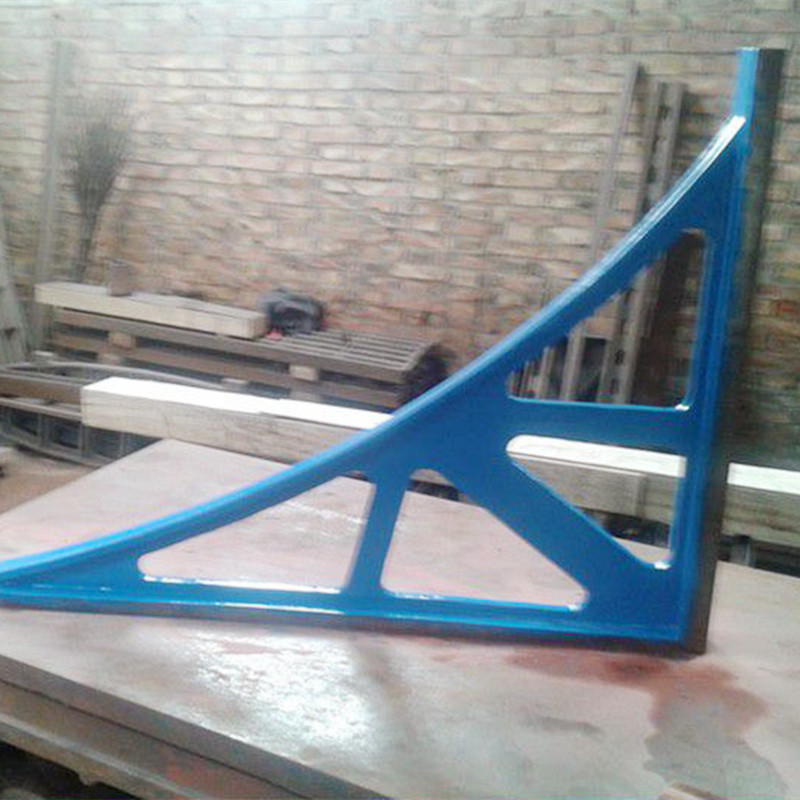
La vanne à globe Fisher un choix stratégique pour l'industrie Dans un monde où l’efficacité et la f
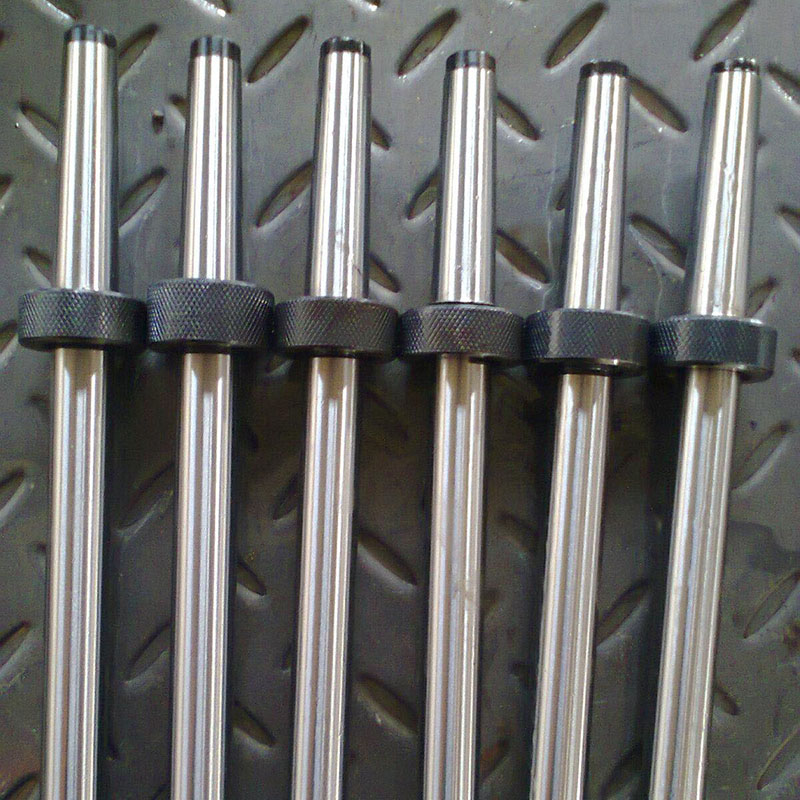
Welding Inspection Tools for Precision Measurement and Quality Assurance
The Importance of Welding Inspection Rulers in Quality Control Welding is a fundamental process in v
 English